


Randy Marion Chrysler Dodge Jeep Ram

Blog / Randy Marion Chrysler Dodge Jeep Ram Service

Does Your Vehicle Need Brake Repair?

Whether your car uses disc brakes, drum brakes, or both, you need to look after them well. While driving, your brakes are your number one safety feature and you never want them to lose proper function. The following are five common symptoms of a developing brake problem. If you notice any of them, visit our local CDJR dealership for brake repair before the situation gets worse.

You Feel Rhythmic Pulsations

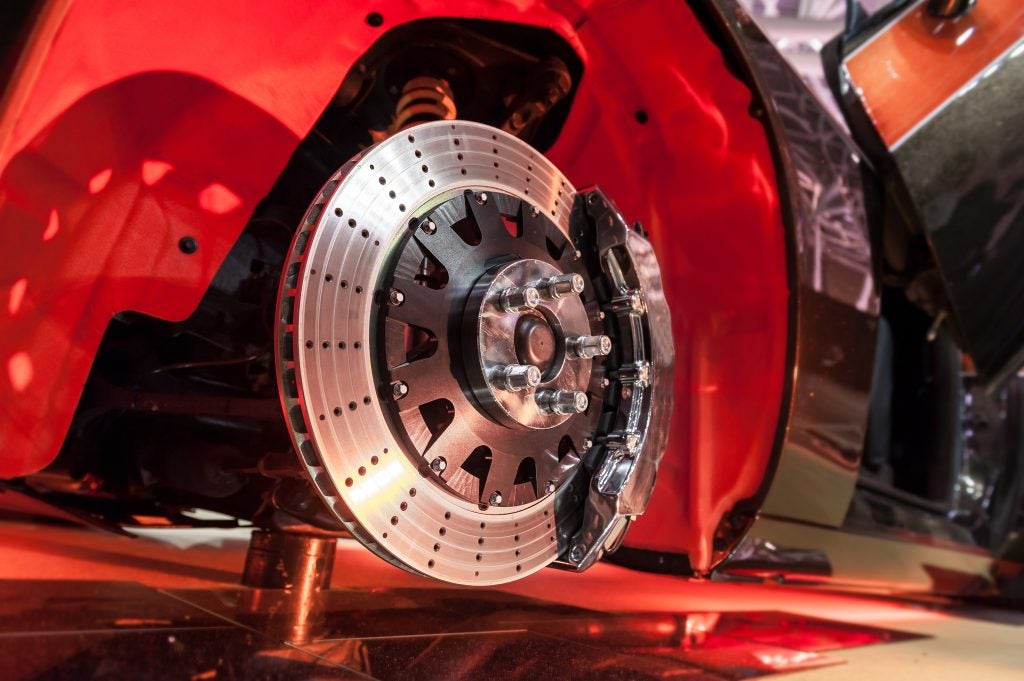
When either a rotor disc or a drum brake becomes damaged, you'll often feel a thumping pulsation through the brake pedal. In the case of rotors, the disc can become scored by a worn-down brake pad, a warped and misshapen rotor due to overheating, or a rotor coated with melted resin from an overheated brake pad. In some cases, you'll be able to resurface the rotor to salvage it, but most often, you'll need a new one.

In the case of drum brakes, damage can be caused by overheating, a hard knock, or a slight misalignment. The drum may no longer be balanced correctly, or it might have changed slightly from its perfectly circular shape. As a result, the brake shoe will be bumping against the drum intermittently. A faulty drum brake will usually need to be replaced.

Your Brake Pedal Is Low

If you have drum brakes and the brake pedal feels strangely low under your foot, there's probably excessive clearance between at least one drum and its brake shoe. You'll need to have the clearance adjusted. Another possible cause of a low pedal is a malfunctioning master cylinder or a brake fluid leak.

Your Braking Feels Spongy 

In the case of a leak, your brake pedal will also feel spongy when you press down on it. Your car will take longer to stop, and if the leak is severe, you might even experience brake failure. Brake fluid is yellow in color, so if you suspect a leak, search your hoses and undercarriage for signs of a leaking yellow fluid.

Refresh Brake Fluid at Your CDJR Dealer

Brake fluid also loses hydraulic function as it ages. For this reason, it's generally recommended to have your brake fluid changed every two years. But if you usually drive in conditions that require continual braking, you might need to have your fluid changed once a year.

You Hear Squeaking 

Most drivers will be familiar with a squeaking sound when they brake. This happens when a brake pad is on its last legs: the friction layer is gone. Most drivers need to replace their brake pads every 30,000 or so. But if you use your brakes less frequently, brake pads can last up to 70,000 miles.

You Hear Scraping 

A harsh scraping or grinding sound when you brake is never a good sign. With rotor disc brakes, this often means a worn-out brake pad is scraping metal directly onto the rotor. With drum brakes, this scraping noise also means that the friction layer is worn away, and the metal of the brake shoe is scraping directly onto the drum.

Have your brakes repaired today at Randy Marion Chrysler Dodge Jeep Ram. We have a helpful, highly qualified team in Wilkesboro, NC ready to guide you through our extensive inventory of vehicles.
Posted in:

Related Posts

Auto Maintenance in Wilkesboro, NC - Randy Marion CDJR

Getting Seasonal Maintenance for Your Vehicle

Keeping your new or used CDJR vehicle in great shape requires maintenance, and each season can cause unnecessary wear and tear on your car, truck, or SUV. As your local CDJR dealer, we want to tell you about some of the seasonal maintenance that will keep your car performing at its best year-round. more Spring Maintenance Now the weather is warming up, it's a good time to check your brakes. When you drive in winter, snow and ice will be thrown up from the road surface. As they melt, they'll leave water behind, and this water can rust parts of the braking system, like the calipers and rotors. A brake service will ensure your brakes are ready for the year ahead. It's also a good idea to service your AC. While spring isn't very hot, a serviced AC will keep you chilled and comfortable if a summer day just feels too hot. Summer Maintenance Summer is here, so it's time to make sure your engine cooling system is working at its best. Your engine operates at a high temperature of between 180 F and 230 F, and on a hot summer day, the temperature under the hood can easily rise over 300 F. Our technicians will check the radiator and other cooling system components, so your engine will breeze through the hot days ahead. Another important item on this season's maintenance checklist is to ensure all your car's fluids are topped up. We'll perform a fluid check, where we draw samples of your CDJR model's essential fluids like coolant, oil, transmission fluid, and others to check their condition. Our technicians will top up any low fluid levels they find. Fall Maintenance In spring, we check your AC, and now fall has arrived, it is time to test and service the heating system so you're ready for winter. This system won't have been used for several months, so it must be ready to keep you warm when you need it. We also recommend checking your tires. Friction with the surface when you drive and the sun's rays in summer can cause extra wear on the tires. Winter Maintenance The most important winter check is to test your battery. A car battery has a relatively limited life of three to five years and then will need replacement. As a battery ages, it becomes less efficient as its electricity storage capacity shrinks. Cold weather can easily cause a weak battery to fail. If your battery passes the test, it's ready for winter. If it fails, we can install a new one for you. These are just a few ways you can prepare your Chrysler, Dodge, Jeep, or Ram so you can drive with peace of mind regardless of the season. If you'd like to know more about maintenance, visit us today at Randy Marion CDJR in Wilkesboro, NC.

Engine Service in Wilkesboro, NC - Randy Marion CDJR

3 Engine Problems You Should Always Fix at Your Car Dealership

Engine problems can seem scary, but they can be fixed. As your CDJR dealer in Wilkesboro, NC, we can quickly and efficiently repair any possible problem. These are a few signs that you may need to visit us for a repair. more Engine Blockages The oil in your engine performs a variety of tasks. It lubricates all the engine components, helps to reduce the engine temperature, prevents rust, and breaks down engine deposits. Oil needs to be changed regularly, as it gradually becomes slower and thicker. It also accumulates dirt and other debris, and the old oil can cause blockages. Engine blockages can cause several issues in your engine, including decreased fuel economy, misfiring, and poor acceleration. In addition, problems in the engine will cause your check engine light to illuminate. Our technicians can flush your engine to remove any blockages by adding chemicals to the oil and allowing the chemicals to break down the engine deposits. Once your engine is clean, we'll drain the oil and refill it with new oil. Leaking Radiator A radiator leak can cause major engine trouble, as the radiator is the part of your engine responsible for removing engine heat. Liquid coolant absorbs heat radiating from the engine and transports it to the radiator. Inside the radiator, the heat is removed via heat exchange. Over time, the heat and high pressure in the cooling system can cause wear and tear on the cooling system components. The two radiator hoses, for example, will become less flexible and crack. Rust can develop on the radiator and gradually eat through the metal until coolant leaks out. Cooling system components like the water pump or the thermostat can also fail and prevent the cooling system from working. Our Mopar technicians can easily identify any of these problems and swiftly repair them for you. Poor Acceleration When you step on the gas, your engine should immediately respond. If you experience a delay between hitting the gas and your engine responding, you have a problem with your engine. Delayed engine response can be caused by several different issues, including a blocked fuel filter, a damaged oxygen sensor, or a transmission problem. Sensors in your engine will identify the cause of the problem and report it to your car's computer. The computer will then log the problem and illuminate the check engine light. We'll connect your car's computer to our diagnostic machine, and it will identify the source of the problem. If your new or used CDJR vehicle isn't working as well as it should be, Schedule a service appointment ASAP at Randy Marion CDJR. Our experienced technicians will fix the problem, and your car will work perfectly again in no time.

Tire Service in Wilkesboro, NC - Randy Marion CDJR

Time for New Tires? Visit Your CDJR Dealership Today

Modern tires have a longer lifespan than ever before, but they will still wear down over time. Your new or used vehicle's tires are subject to abrasive and climatic damage, and this will take its toll. Worn or damaged tires can result in a flat or an accident. As your go-to CDJR dealership in Wilkesboro, NC, we'd like you to know a few signs that you may need to visit us for new tires. more Tire Bulges A bulge in your tire is a sign of trouble. The bulge is an air-filled pocket that causes a weakness in the tire. Most bulges are formed when part of your tire is pinched against a solid surface. This can happen if you accidentally bump the curb with your tire. Depending on your speed and the impact angle, that minor issue can cause a bulge. A tire bulge is dangerous, as it can burst with little warning. The air inside your tires heats up when you're driving, which increases the pressure in the tire. A bulge stretches the rubber around it slightly thinner, and this can cause a blowout. If you see a bulge in your tire, visit us immediately. We can't fix a bulge, as the tire's internal structure has been damaged, but we can replace it so you'll drive safely. Tire Cracks Rubber has a natural elasticity that makes it perfect for tires. It allows them to be strong yet flexible and durable. Unfortunately, over time rubber slowly degrades. As your tires are exposed to heat, cold, mud, and water, they slowly become less flexible. The reduced flexibility can cause slight cracks to form in the tire, particularly in the sidewall where the rubber is thinner. These cracks will slowly widen and deepen, and this will lead to problems. If a crack extends too deep into the rubber, it can cause a leak or a blowout. If your tires are cracked, we advise that you visit our service department so our expert technicians can examine them. We'll be able to give you a heads-up on their condition and replace them if necessary. Tire Vibrations If you feel vibrations when you're driving, these could be caused by worn shocks, alignment problems or a tire balance issue. They can also be caused by a damaged tire. Your tires are built in layers, and once complete, the tire is vulcanized ​​​​​​​​​​​​​​​​​​​​to form a single unit. If a tire has been damaged, some of its internal layers could be separating. The movements inside the tire will cause vibrations as you drive. Internal damage isn't usually visible, but our CDJR-trained technicians can examine the tire and diagnose any potential problems. Internal tire damage can't be repaired and will gradually get worse. We'll replace your tire with a new one. If experience any tire problems, visit the friendly experts at Randy Marion CDJR.